ART HISTORY · ARCHAEOLOGY · MATERIAL CULTURE

Scholarly Resources
for Art History &
Archaeology

OpenFree to read
CCBY-NC-ND licence
APAReady to cite
3DBuildings & murals
DisciplineArt HistoryObjects · Images · Styles
DisciplineArchaeologySites · Materials · Context
EvidenceArchitecture & ObjectsBuildings · Monuments · Artefacts
EvidenceTexts & SourcesInscriptions · Manuscripts · Documents
MethodPlace & TimeMaps · Timelines · Networks
MethodDigital Interpretation3D · Visualisation · Interactive
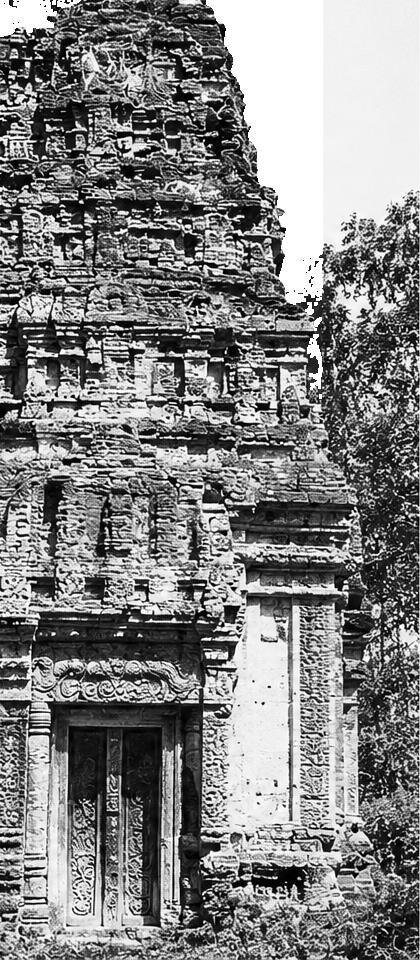
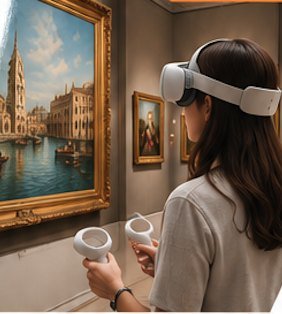
IMAGES — Pre-Angkor temple tower: photograph by Prof. Dr. Chedha Tingsanchali, shown here in greyscale. Sambor Prei Kuk site plan and drawings of the Great Stupa, Sanchi: schematic, for orientation only — not measured drawings and not evidence. VR photograph: illustration of digital interpretation.
01 / Featured Research

Great Stupa, Sanchi:
a 3D study

The form that later stupas and chedis across Asia adapted, rebuilt as a 3D model whose parts can be changed and compared — each with its sources.

Sanchi, Madhya Pradesh, India · 3rd century BCE – 1st century CE

Research in progress

OPEN THE 3D LAB

Next Lanna chedi of Chiang Rai · in preparation

Great Stupa at Sanchi in the 3D Lab, material view: dome, terrace with stair, railings, summit railing, three umbrellas and gatewaysThe same model in clay view, a single neutral surface that shows form onlyThe same model in blueprint view, showing its wireframe structure
Three views captured from the 3D Lab. A schematic model, not a measured record.
02 / Tools

Open tools for the evidence

Three curated indexes for research and teaching. Each tool belongs to its own project — check its licence before reuse.

For Art History

Open Archaeology Toolkit

Software, R/Python packages, QGIS plugins, datasets and guides for archaeological research, with a curated layer for art history.

Source open-archaeo.info by Zack Batist · CC0

311 of 525 tools are applicable to art history

The Art History layer is an editorial curation of the original Open Archaeo tags; it is not an Open Archaeo classification.

OPEN THE TOOLKIT
For Teaching

Open Learning Repos

A sister index for educators: open-source tools for visual programming, course platforms and simulation — each with its license and whether it runs in a browser.

Sources MIT · Scratch · Open edX · Raspberry Pi

4 of 12 tools run in the browser

Code and logos belong to each project. Listing does not imply affiliation.

OPEN THE REPOS
01 / Collections

Knowledge Collections

Browse the platform by subject and source type. These are stable collection entrances, separate from temporary or unfinished research projects.

Coming soon

Architecture

Buildings · Monuments · Chedi · 3D

Coming soon

Inscriptions
& Sources

Epigraphy · Manuscripts · Documents

Coming soon

Texts &
Scriptures

Canonical texts · Jātaka · Textual resources

Coming soon

Art &
Visual Culture

Objects · Images · Styles · Comparison

Learning
Resources

Lessons · Visual systems · Teaching resources

Tools &
Open Data

Maps · 3D · Datasets · Research tools

04 / About

An open knowledge platform.

thearthistory.org is an independent digital-humanities project on art history, archaeology, architecture, inscriptions and texts, built so that each description can be traced back to its sources.

  1. 01Sources first

    Each description is built to trace back to its sources.

  2. 02Credited images

    Photographs and reproductions stay with their owners, outside the site licence.

  3. 03Schematic, not measured

    Line drawings are interpretive illustrations, not survey records.

How texts are used

Inscriptions, scriptures, treatises and chronicles enter the research at different points. Each use is recorded separately, so a text that dates a monument is not mistaken for one that explains its meaning.

  1. Image-making

    Texts that guided how an image or building was made — proportions, attributes, layout.

  2. Iconography

    Identifying a figure by the attributes, gestures and symbols that texts describe.

  3. Narrative scene

    Reading a relief or mural cycle against the story it depicts.

  4. Dating

    Inscriptions and chronicles that support or test a date.

  5. Patronage

    Records that name donors, founders and institutions.

  6. HypothesisInterpretation

    Explaining meaning — stated as a reading of the evidence, never as the evidence itself.